Engineered wood flooring delivers the look of solid hardwood at a friendlier price point, and often with easier installation. But how much should homeowners expect to pay for materials and labor in 2026? Understanding the cost breakdown helps you budget realistically, decide between DIY and professional installation, and avoid surprises at checkout. This guide walks through current pricing for engineered wood flooring, from budget-grade planks to premium European oak, plus the hidden factors that can push your project over or under budget.
Table of Contents
ToggleKey Takeaways
- Engineered wood flooring installation cost ranges from $8 to $18 per square foot nationally, with a 300-square-foot room typically running $2,400 to $5,400 installed.
- Material costs vary from $3 per square foot for budget options to $10+ for premium European oak, while professional labor adds another $3 to $8 per square foot depending on installation method.
- Click-lock floating floors cost less to install ($3–$5/sq ft labor) compared to glue-down installations ($5–$8/sq ft), making them ideal for DIY enthusiasts with basic tools.
- Subfloor condition, room layout complexity, and geographic location significantly impact engineered wood flooring installation costs, with concrete slabs and irregular shapes requiring additional prep work and expenses.
- Choosing domestic species like oak or hickory in standard widths, ordering 10% extra for waste, and shopping during seasonal promotions can save homeowners 10–30% on their total flooring project cost.
- Engineered wood offers superior value compared to solid hardwood and laminate, combining real wood aesthetics with better moisture stability and lower upfront costs than premium solid planks.
What Is Engineered Wood Flooring?
Engineered wood flooring consists of a real hardwood veneer bonded to multiple layers of plywood or high-density fiberboard (HDF). This construction makes it more dimensionally stable than solid hardwood, meaning it resists warping and cupping in basements, over concrete slabs, or in climates with humidity swings.
The wear layer, the top hardwood veneer, typically ranges from 1mm to 6mm thick. Thicker wear layers (3mm and up) allow for refinishing, extending the floor’s lifespan. Thinner veneers work fine for low-traffic areas but can’t be sanded down if scratched.
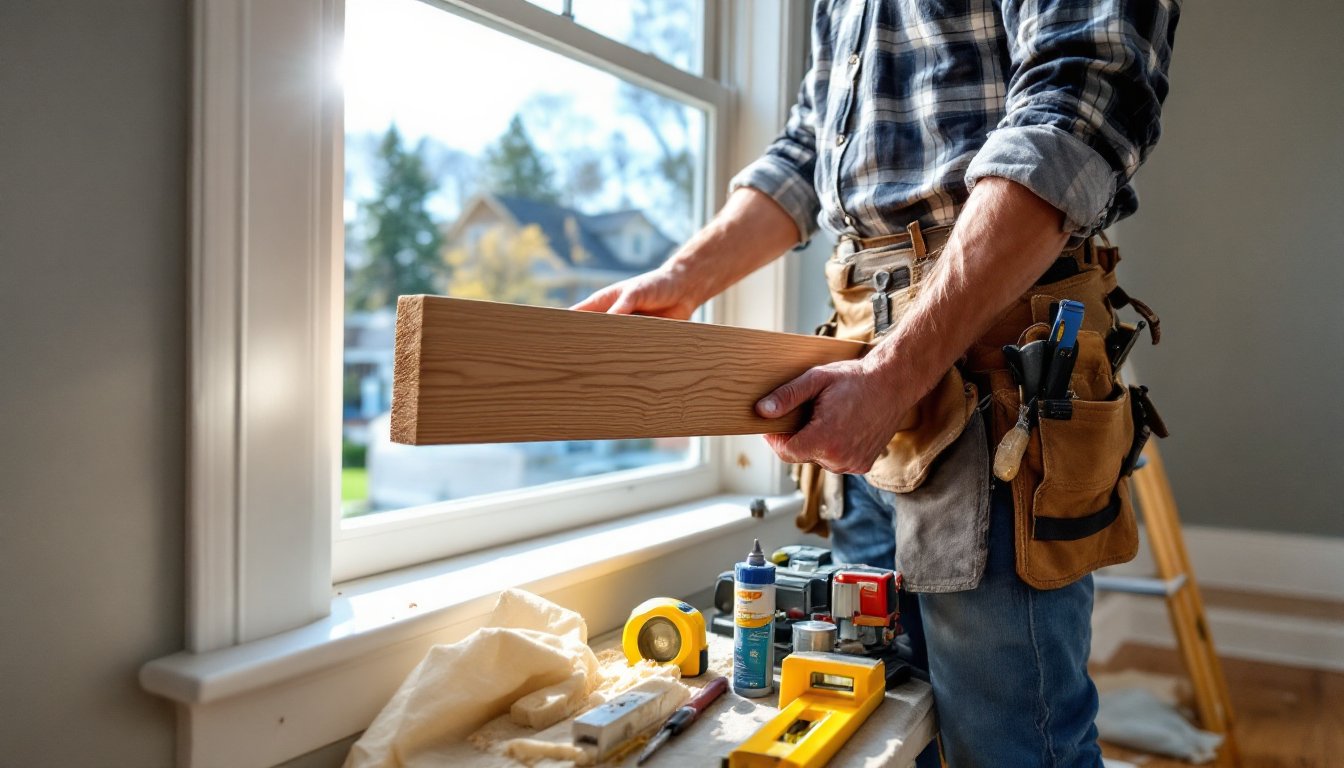
Most engineered planks come in click-lock or tongue-and-groove profiles. Click-lock systems float over underlayment without glue or nails, making them DIY-friendly. Tongue-and-groove boards can be glued down or stapled, which requires more skill but creates a permanent bond to the subfloor. Both installation methods influence labor costs and long-term performance.
Average Cost to Install Engineered Wood Flooring
Nationally, total installed cost for engineered wood flooring runs between $8 and $18 per square foot, including materials, labor, and underlayment. A 300-square-foot room typically costs $2,400 to $5,400 installed. Prices vary by region, product grade, and subfloor condition.
Material alone averages $3 to $10 per square foot. Budget lines with thin wear layers and printed finishes start around $3, while premium European oak or hand-scraped planks reach $10 or more. Mid-grade options, 3mm wear layers with wire-brushed or matte finishes, cluster around $5 to $7 per square foot.
Professional installation labor adds $3 to $8 per square foot, depending on prep work, layout complexity, and installer rates. Simple rectangular rooms cost less per square foot than L-shaped spaces with multiple transitions. Subfloor repairs, moisture mitigation, or glue-down installation push labor toward the higher end.
Cost Breakdown by Material Quality
Budget tier ($3–$4/sq ft): Thin wear layers (1–2mm), often with acrylic or aluminum-oxide finishes. Core layers may use softwood plywood. Suitable for bedrooms or low-traffic areas. Limited refinishing potential.
Mid-grade ($5–$7/sq ft): 3–4mm wear layers, hardwood species like oak or hickory, multi-ply cores with better stability. Many include UV-cured or hand-scraped finishes. Can be refinished once or twice. Good balance of cost and durability for main living areas.
Premium ($8–$10+/sq ft): 5–6mm wear layers, exotic species (Brazilian cherry, teak), wide planks (7+ inches), or long-length boards (up to 7 feet). Often feature beveled edges and oil-rubbed finishes. Multiple refinishing cycles possible. Best for high-visibility spaces or when matching existing high-end floors.
Labor Costs vs. DIY Installation
Professional installation costs $3 to $8 per square foot, depending on method and region. Floating click-lock floors run cheaper ($3–$5/sq ft) since they’re faster to install. Glue-down jobs cost more ($5–$8/sq ft) due to adhesive, troweling time, and cleanup. Staple-down (less common for engineered) falls in the middle.
Labor includes subfloor inspection, underlayment installation, transition strips, and baseboard removal/reinstallation. Factor in extra charges for moving furniture, removing old flooring, or leveling uneven subfloors. Installers may charge a trip fee ($75–$150) or minimum square footage (250–300 sq ft) for small rooms.
DIY installation saves the labor expense but requires tools and time. A homeowner can handle click-lock floors with basic skills and a laminate floor cutter ($40–$60), pull bar ($15), tapping block ($10), and underlayment tape ($8). Glue-down or staple installations need a pneumatic flooring nailer (rental ~$50/day) or trowel and adhesive ($50–$100), plus the confidence to work flat and fast before glue sets.
Expect to spend one to two full weekends on a 300-square-foot room, including acclimation time (let planks sit in the room for 48–72 hours), subfloor prep, and trim work. Mistakes, like forgetting expansion gaps or misaligning the first row, can buckle floors or create unsightly gaps. If the subfloor isn’t flat within 3/16 inch over 10 feet, you’ll need leveling compound, which adds cost and complexity.
DIY makes sense for rectangular rooms with good subfloors and click-lock planks. Hire a pro for glue-down installs, heavily damaged subfloors, or layouts with stairs, diagonal patterns, or multiple transition strips.
Factors That Affect Installation Costs
Subfloor condition: Concrete slabs require moisture testing and a vapor barrier ($0.50–$1/sq ft). Wood subfloors need repairs if joists are bouncy or plywood is delaminated. Leveling compound runs $2 to $4 per square foot for severe unevenness.
Room layout: Hallways, closets, and irregular shapes increase labor time due to extra cuts and transitions. Stair nosing and reducer strips add $8 to $15 per linear foot for materials and installation.
Removal of old flooring: Pulling up carpet costs $1 to $2/sq ft, tile or glued-down vinyl runs $2 to $4/sq ft. Disposal fees vary by locality but average $100 to $300 for a truckload.
Plank width and length: Wide planks (7+ inches) and long boards (5+ feet) look dramatic but cost more per square foot and generate more waste on cuts. Herringbone or chevron patterns double labor time compared to straight runs.
Underlayment type: Basic foam underlayment costs $0.25 to $0.50/sq ft. Cork or rubber underlayment with better sound dampening runs $0.75 to $1.50/sq ft. Some engineered planks have pre-attached underlayment, which simplifies installation but limits customization.
Geographic location: Labor rates in metro areas or coastal markets run 20–40% higher than rural or Midwest regions. Material shipping costs also vary, West Coast buyers pay premiums for European imports.
Permits and inspections: Most jurisdictions don’t require permits for cosmetic flooring replacement. If you’re altering floor height significantly (over ¾ inch) or working on a structural subfloor, check local building codes. Permit fees range from $50 to $200 where applicable.
Cost Comparison: Engineered Wood vs. Other Flooring Options
Solid hardwood ($6–$12/sq ft material, $8–$16 installed): More expensive upfront but offers unlimited refinishing. Not suitable for basements or over concrete. Requires nail-down installation.
Luxury vinyl plank (LVP) ($2–$7/sq ft material, $5–$10 installed): Cheaper, 100% waterproof, and DIY-friendly. Mimics wood grain but lacks the tactile warmth and resale cachet of real wood. Thinner products can feel hollow underfoot.
Laminate flooring ($1–$5/sq ft material, $4–$8 installed): Budget champion with photo-printed wood patterns. Can’t be refinished: once the wear layer is scratched, you replace planks. Less moisture-resistant than engineered wood in humid environments.
Tile ($3–$15/sq ft material, $8–$20 installed): Highly durable and waterproof, but cold, hard, and labor-intensive to install. Grout lines require maintenance. Better for kitchens and baths than living areas.
Carpet ($2–$8/sq ft installed): Softest underfoot but stains easily, harbors allergens, and needs replacement every 7–10 years. Not a direct competitor to wood aesthetics.
Engineered wood sits in the sweet spot: real wood appearance, better stability than solid hardwood, and lower cost than premium solid planks. It competes directly with LVP and laminate for homeowners who want wood looks without solid hardwood’s limitations.
How to Save Money on Your Installation
Buy during sales: Big-box stores and flooring retailers run promotions around holidays (Memorial Day, Labor Day, Black Friday). Save 10–25% on materials by timing your purchase.
Order 10% extra for waste: Cutting errors, irregular rooms, and future repairs require overage. But don’t overbuy, excess planks eat into savings. Calculate square footage carefully and add 10% for straight layouts, 15% for diagonals or patterns.
Do your own demo and prep: Ripping up old flooring, pulling baseboards, and cleaning subfloors takes time but not specialized skill. Contractors charge $1–$2/sq ft for demo, pocket that by DIYing the grunt work.
Use click-lock systems: Floating floors install faster, reducing labor hours and the need for adhesive or nailer rentals. They’re also reversible if you move.
Shop local and compare quotes: Get at least three estimates from licensed installers. Ask for itemized bids so you can spot padding or unnecessary add-ons. Local flooring shops sometimes beat big-box prices on materials when you bundle installation.
Skip exotic species and wide planks: Domestic oak or hickory in standard widths (3–5 inches) costs 30–50% less than imported or ultra-wide options. The look is nearly identical once installed.
Refinish instead of replace: If existing solid hardwood is worn, refinishing costs $3–$5/sq ft, often cheaper than new engineered wood. Not an option if you currently have laminate or vinyl, but worth considering for real wood floors.
Acclimate materials properly: Skipping the 48–72 hour acclimation period causes planks to expand or contract after installation, leading to gaps or buckling. That’s a costly redo. Follow manufacturer guidelines to avoid warranty voids.