SimpliSafe has become one of the most popular DIY home security systems for homeowners who want professional-grade protection without drilling holes for hardwired sensors or signing long-term contracts. But the upfront equipment cost is just part of the picture. Monthly monitoring fees, optional add-ons, and component upgrades can quickly change the total investment. For anyone considering a SimpliSafe system in 2026, understanding the full cost breakdown, from starter packages to individual sensors and ongoing subscription plans, helps avoid surprises at checkout and ensures the system fits both the home’s layout and the household budget.
Table of Contents
ToggleKey Takeaways
- SimpliSafe equipment packages range from $244.96 (Foundation) to $489.93 (Haven), with monthly monitoring plans starting at free self-monitoring or $19.99 per month for professional 24/7 dispatch.
- SimpliSafe costs vary significantly based on your needs—custom builds can range from $300-$500 for basic setups to $600-$900 for comprehensive systems with cameras and environmental sensors.
- Professional monitoring through SimpliSafe includes cellular backup and no long-term contracts, making it more flexible and affordable over 3-5 years than traditional providers charging $30-$60 monthly with multi-year commitments.
- Additional costs to budget for include battery replacements every 3-5 years ($20-$40), optional doorbell transformer installation ($10-$15), and state sales tax, but there are no activation, rental, or cancellation fees.
- SimpliSafe excels for renters and wireless-friendly homes where drilling isn’t practical, but may not suit large properties requiring extended wireless range, Apple HomeKit integration, or homeowners who rarely travel and don’t need 24/7 monitoring.
SimpliSafe Equipment Packages and Pricing
SimpliSafe offers pre-configured packages designed for different home sizes and security needs. As of April 2026, pricing starts with The Foundation package at approximately $244.96, which includes the Base Station, one Keypad, four Entry Sensors, and one Motion Sensor. This setup covers basic protection for a small apartment or condo with limited entry points.
For larger homes, The Essentials package runs around $299.96 and adds extra entry sensors and a Panic Button. The top-tier The Haven bundle costs roughly $489.93 and includes the base components plus additional motion sensors, glass break sensors, a Smoke Detector, a Water Sensor, and a Video Doorbell Pro. These packages provide the core hardware needed to secure an average single-family home with multiple doors and windows.
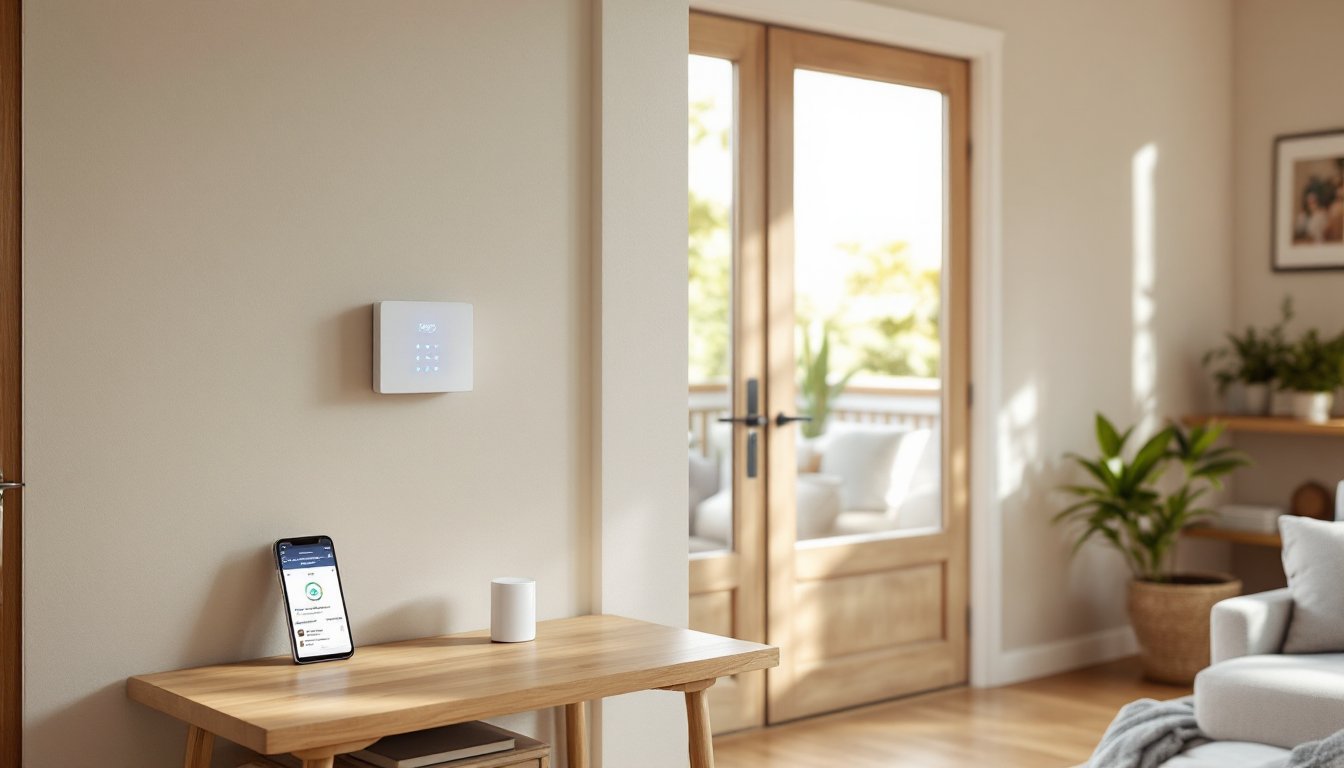
All packages include the Gen 3 Base Station, which features built-in cellular and Wi-Fi connectivity, an 85-decibel siren, and a backup battery that keeps the system running during power outages. The keypad is wireless and battery-powered, so there’s no need to run low-voltage wiring through walls.
Keep in mind that package pricing can fluctuate based on seasonal promotions, bundle discounts, and new product releases. SimpliSafe frequently runs sales around major holidays, sometimes offering 20-30% off equipment or free cameras with qualifying purchases. Always check the current promotions before buying, as these can significantly reduce the upfront investment.
Monthly Monitoring Plans: What You’ll Pay Beyond Equipment
SimpliSafe’s equipment is yours to keep once purchased, but to unlock full functionality, especially 24/7 professional monitoring and mobile app features, homeowners need to choose a monitoring plan. The company offers three tiers as of 2026.
The Self-Monitoring Plan is free but comes with major limitations. Users receive smartphone alerts when sensors trigger but must respond to alarms themselves by calling authorities. There’s no professional dispatch, no cellular backup if Wi-Fi fails, and no video recording for cameras. This plan works for tech-savvy homeowners who want basic notifications without ongoing fees, but it’s not suitable for those who travel frequently or want reliable emergency response.
Self-Monitoring vs. Professional Monitoring Costs
The Standard Monitoring Plan costs $19.99 per month (paid monthly) or $199.90 annually (about $16.66 per month if paid upfront). This tier includes 24/7 professional monitoring, police and fire dispatch, cellular backup, and environmental alerts for smoke, flood, and freeze sensors. The monitoring center contacts the homeowner when an alarm triggers and dispatches emergency services if needed. This plan does not include camera features like live view or cloud video storage.
The Fast Protect™ Monitoring Plan runs $29.99 per month (or $279.90 annually, roughly $23.33 per month). It adds unlimited camera recording, live camera feeds accessible through the mobile app, smart home integration with Amazon Alexa and Google Assistant, and advanced detection features. For homes with multiple SimpliSafe cameras, like the Video Doorbell Pro or Indoor/Outdoor Cameras, this plan is essential. Without it, cameras function only as live-view devices without recording or playback.
There are no long-term contracts for any plan. Homeowners can cancel, pause, or switch tiers at any time without termination fees. But, professional monitoring is billed monthly or annually, so budgeting for that recurring cost is critical when calculating the total ownership expense over three to five years.
Individual Component Costs: Building a Custom System
For homeowners with unique layouts or those expanding an existing system, SimpliSafe sells components individually. Prices as of April 2026 include:
- Entry Sensor: $16.99 each. Monitors doors and windows. Most homes need 8-12 sensors depending on the number of first-floor entry points.
- Motion Sensor: $29.99 each. Covers up to 30 feet with a 90-degree field of view. Best placed in hallways or rooms intruders would cross.
- Glass Break Sensor: $34.99 each. Detects the sound frequency of breaking glass within a 20-foot radius. One sensor can cover multiple windows in the same room.
- Smoke Detector: $29.99 each. Integrates with the SimpliSafe system and triggers the alarm when smoke is detected.
- Water Sensor: $19.99 each. Place near water heaters, washing machines, sump pumps, or under sinks to catch leaks early.
- Panic Button: $24.99 each. Portable wireless button that triggers an immediate alarm. Useful for elderly family members or bedside tables.
- Video Doorbell Pro: $169.99. Offers 1080p HD video, two-way audio, and motion detection. Requires existing doorbell wiring (8-24V AC) or a plug-in adapter.
- Indoor Camera: $99.99 each. Battery-powered or USB-powered with 1080p video, night vision, and a privacy shutter.
- Outdoor Camera: $169.99 each. Weather-resistant with integrated spotlight, color night vision, and a rechargeable battery pack.
- Smart Lock: $99.99. Retrofit deadbolt replacement with keyless entry and app control. Works with most standard door prep (2⅛-inch bore).
Custom builds allow homeowners to avoid paying for sensors they don’t need. For example, a single-story ranch with a finished basement might prioritize entry sensors and glass break detectors over motion sensors. A two-story colonial with multiple bathrooms would benefit from additional water sensors near fixtures.
When building a system from scratch, expect to spend $300-$500 for a basic setup (base station, keypad, and 6-10 sensors) and $600-$900 for a comprehensive system with cameras and environmental sensors.
Hidden Fees and Additional Costs to Consider
SimpliSafe markets itself as a contract-free, no-hidden-fee system, and that’s largely accurate. But, a few costs can catch buyers off guard.
Shipping is free on equipment orders over $50 in the contiguous U.S., but expedited shipping or orders to Alaska, Hawaii, or U.S. territories may incur additional charges.
Battery replacements are inevitable. Entry sensors and motion detectors use CR-2032 or AA lithium batteries that last 3-5 years depending on sensor activity. Budget about $20-$40 every few years to replace batteries across an entire system.
Video Doorbell Pro installation requires a compatible transformer (8-24V AC) or a plug-in adapter sold separately for about $10-$15. If the existing doorbell transformer doesn’t meet the voltage requirement, a licensed electrician may need to install a new one, costing $75-$150 depending on local rates.
Camera cloud storage is only available with the Fast Protect™ plan. Without it, cameras provide live feeds but no playback, which limits their usefulness for verifying events after they occur.
Sales tax applies to equipment purchases and varies by state and municipality. In states with 6-10% sales tax, a $500 equipment order could add $30-$50 to the total.
There are no activation fees, equipment rental fees, or cancellation penalties. SimpliSafe does not require professional installation, so homeowners save the $100-$200 many traditional security companies charge for a technician visit.
How SimpliSafe Costs Compare to Other Home Security Systems
SimpliSafe’s pricing sits in the middle of the DIY security market. Ring Alarm offers slightly lower entry costs, starter kits begin around $199.99, but professional monitoring through Ring Protect Pro runs $20 per month (or $200 annually), comparable to SimpliSafe’s Standard plan. Ring integrates tightly with Amazon Alexa but offers fewer environmental sensors out of the box.
Wyze Home Monitoring undercuts both with equipment packages starting under $100 and professional monitoring at just $9.99 per month. But, Wyze sensors are less robust, the monitoring service has a shorter track record, and cellular backup isn’t included. For budget-conscious homeowners willing to accept some trade-offs, Wyze is competitive. For those prioritizing reliability, SimpliSafe’s cellular backup and UL-listed monitoring center offer better peace of mind.
Abode and ADT Self Setup target similar markets with pricing close to SimpliSafe. Abode’s professional monitoring costs $19.99 per month, matching SimpliSafe’s Standard plan, but equipment tends to run 10-15% more expensive. ADT Self Setup leverages the ADT brand reputation but requires a longer minimum commitment (six months) and charges slightly more for comparable equipment.
Traditional professionally installed systems like ADT, Vivint, and Frontpoint require multi-year contracts and monthly fees ranging from $30 to $60, with equipment often subsidized or provided at low upfront cost. Total cost over a three-year contract can exceed $1,500-$2,500, significantly more than SimpliSafe’s DIY approach.
For homeowners comfortable mounting sensors and configuring a system via smartphone app, SimpliSafe delivers professional-grade monitoring at half the long-term cost of traditional providers. Those who prefer a white-glove installation experience may find the traditional route worth the premium, especially in homes with complex layouts or when integrating with existing structured wiring.
Is SimpliSafe Worth the Cost for Your Home?
SimpliSafe makes the most sense for homeowners who want reliable security without long-term contracts or high monthly fees. The equipment quality is solid, sensors are responsive, the base station includes a loud siren and backup battery, and the cellular connection ensures the system stays online even if Wi-Fi fails. Most users can install a full system in 30-60 minutes using the included adhesive strips and screws.
The system shines in rental properties or homes where drilling and running wires isn’t practical. All sensors are wireless and battery-powered, so they can be removed and reinstalled when moving. For landlords, SimpliSafe offers a way to add security features without permanent modifications.
It’s also a good fit for homeowners prioritizing environmental monitoring. The smoke, water, and freeze sensors integrate seamlessly, and professional monitoring dispatches appropriate emergency services for non-burglary events. This is a step up from basic DIY systems focused solely on intrusion detection.
But, SimpliSafe isn’t ideal for every situation. Homes with extensive smart home ecosystems built around Apple HomeKit or Samsung SmartThings will find limited integration options. SimpliSafe works with Alexa and Google Assistant but doesn’t offer the deep automation and scene control of systems designed specifically for smart home enthusiasts.
Large properties with detached garages, workshops, or outbuildings may exceed the wireless range of the base station (typically 400-800 feet in open air, less through walls). In those cases, a hardwired system or one with range extenders might be necessary.
Finally, homeowners who rarely travel and are always home might question the value of professional monitoring. The free Self-Monitoring plan provides smartphone alerts, but without 24/7 dispatch, it’s essentially a loud alarm that depends on neighbors or the homeowner to respond.
For most single-family homes and townhouses, SimpliSafe offers a balanced mix of affordability, reliability, and ease of installation that’s hard to beat in the DIY security market.